
Trace every hiring, attrition, automation and AI adoption choice to its real impact on Revenue, COGS, SG&A, OpEx and EBITDA.


Rated 4.8 . 1,000+ Review


Rated 4.8 . 500+ Review
We deliver tailored marketing solutions designed to scale your brand and drive measurable results
We deliver tailored marketing solutions designed to scale your brand and drive measurable results
We deliver tailored marketing solutions designed to scale your brand and drive measurable results
We deliver tailored marketing solutions designed to scale your brand and drive measurable results
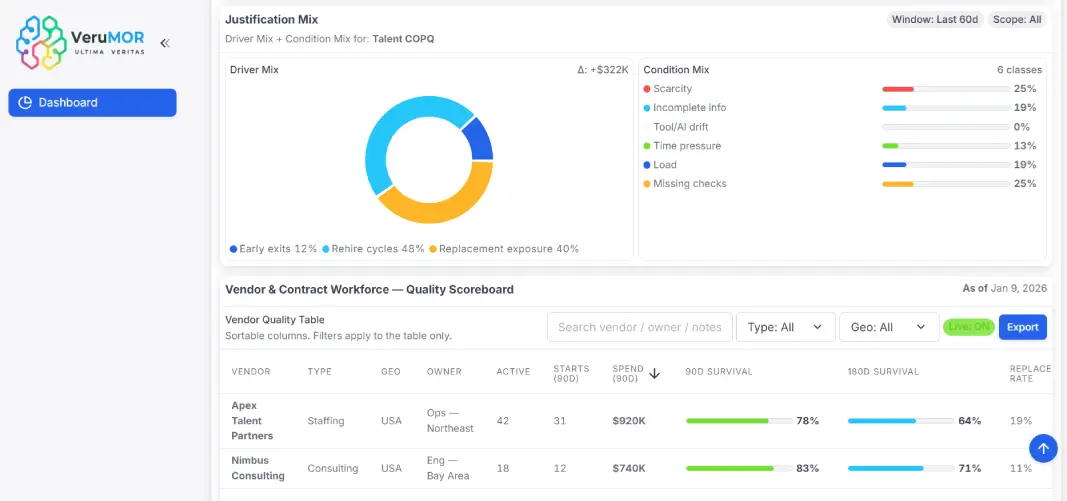
Modern businesses monitor activity, but they miss Financial Traceability. Verumor uncovers the "Silent Leaks" in your hybrid workforce that hit your P&L every single day.

Connect Verumor to your operational ecosystem via secure APIs or direct file uploads to begin the P&L audit.
Our AI engine analyzes human and agent workflows to identify operational bottlenecks and hidden risks.
Every agent decision and human action is traced back to its specific financial impact on your P&L statement.
Harmonize your hybrid workforce with centralized controls, ensuring quality and compliance at scale.
Go live with a unified dashboard showing recovered revenue and optimized expenditures across the board.
Identify hidden inefficiencies in your workflows and reduce operational costs through automated tracking.
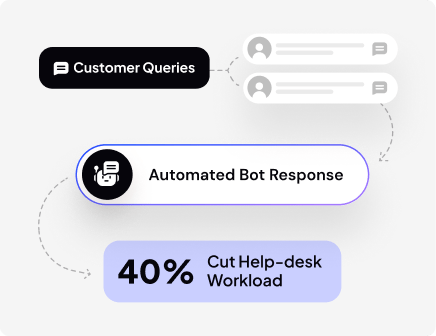
Trace every decision to its financial impact. Prevent revenue leakage across global operations in real-time.
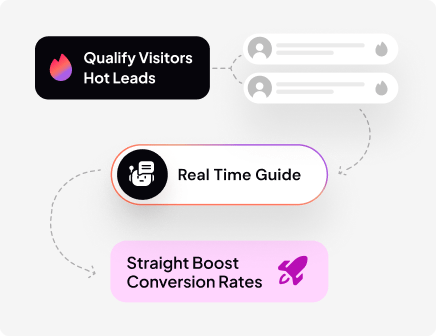
Harmonize your human workforce and AI agents on one platform to drive high-value business outcomes.
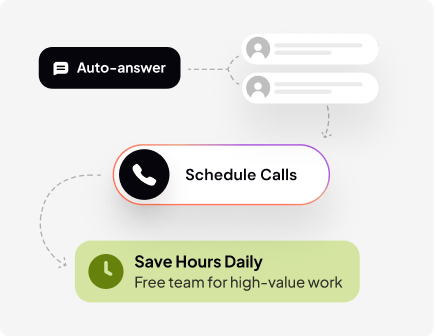
Verumor is built to scale with global enterprises, ensuring 100% audit accuracy across hybrid workforces.
Audited OpEx
Audit Accuracy
Avg. Cost Recovery
Real-time Monitoring
Verumor bridges the gap between your autonomous agents and business operations by connecting with the tools your team uses every day.





Audit agent-to-human handovers directly within your primary communication channels for absolute transparency.

Real-time alerts and P&L leakage notifications pushed to specific dev or ops channels as they happen.

Map customer interaction data to financial outcomes to ensure AI agents are driving high-value ROI.

Track automated ticket resolution costs and identify inefficiencies in your autonomous agent workflows.


"Verumor completely changed how we view our OpEx. We finally have a transparent link between our AI agents and the company balance sheet."


"The 'Silent Leaks' identification feature is a game-changer. We recovered 15% of our wasted spend within the first quarter of deployment."

"Orchestrating autonomous agents used to be a compliance nightmare until Verumor. Now we have 100% traceability for every digital move."